Videos

July 31, 2026

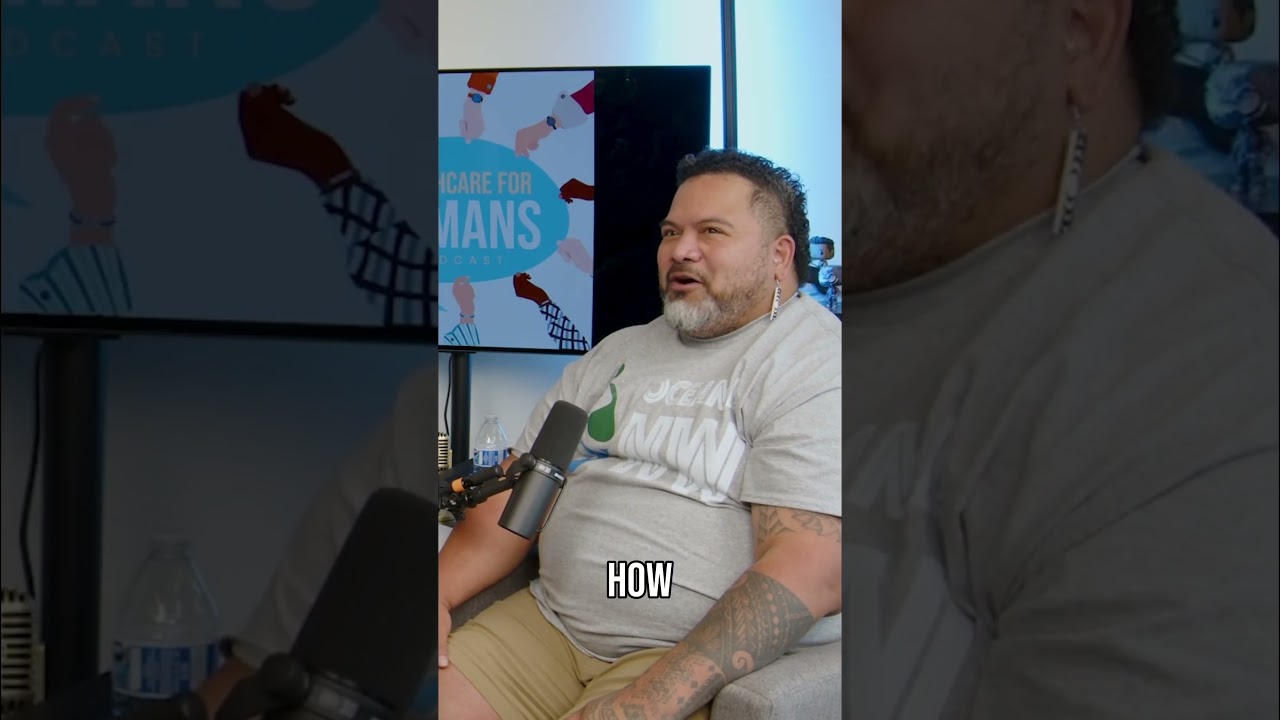
Forced to Forgive: The Burden Colonization Places on Survivors

A searing account of how colonial systems dispossessed, marginalized, and dehumanized a people — and then imported a religion of forgiveness that placed the onus back on the harmed. This clip draws a stark analogy to survivors of violence being told to forgive their abuser, and names what happens next:…

View more
July 30, 2026

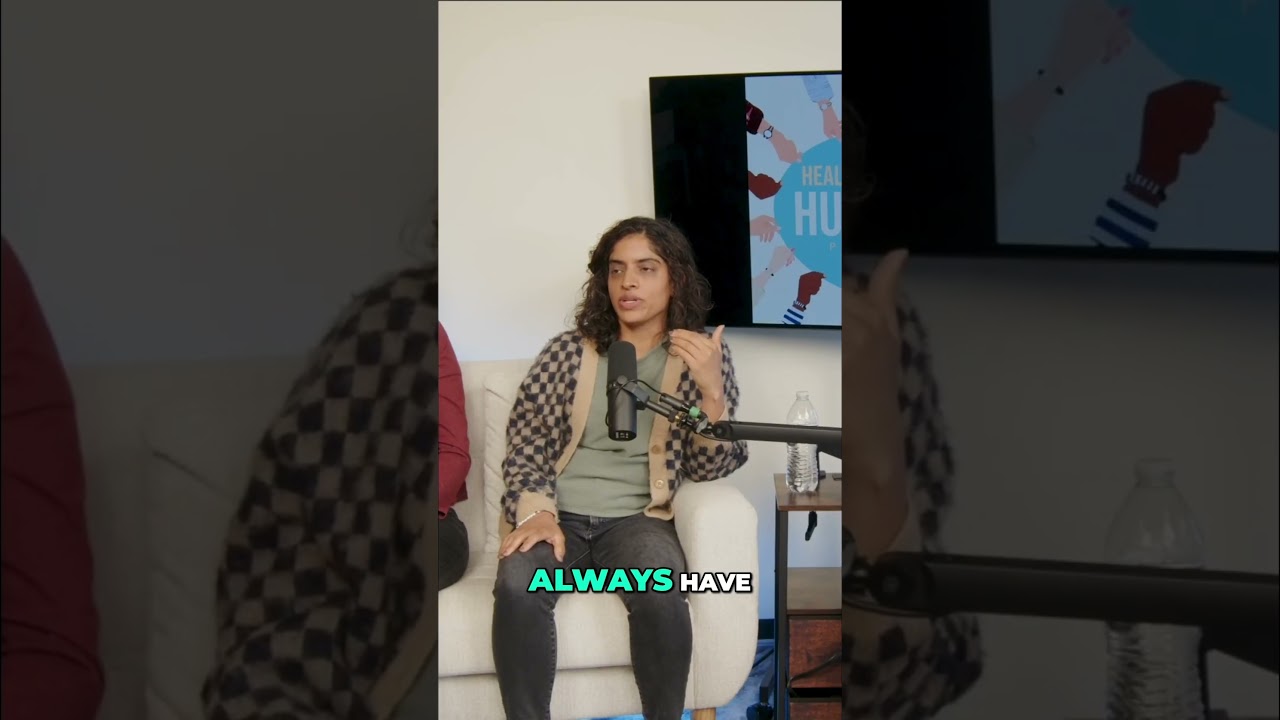
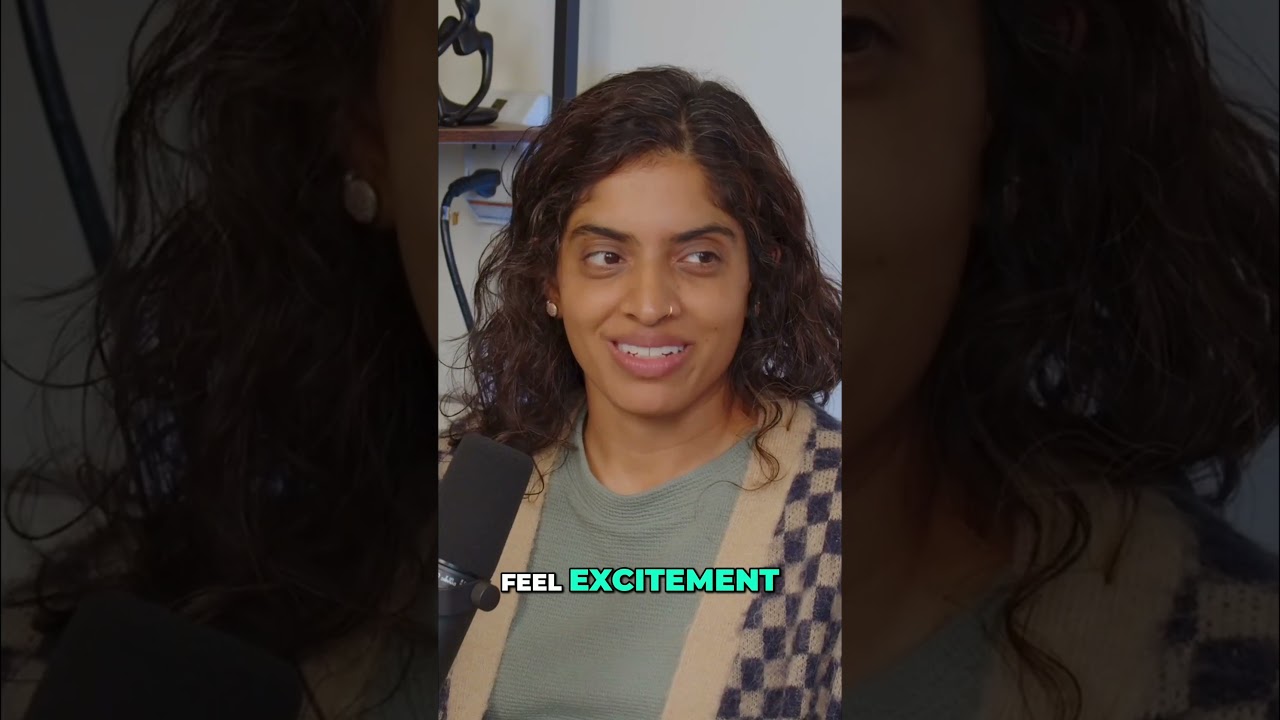
From Fear to Excitement: Making Peace With Your Own Heartbeat

A racing heart at the gym once triggered panic — the sensation was wired to fear. This clip traces the shift: recognizing in the here and now, I am safe, and watching the relationship to that heartbeat change. Excitement can feel a lot like fear, but it isn't the same.…

View more
July 30, 2026

When the Biomedical Model Falls Short: IBS, Chronic Symptoms, and "I Don't Know"

Sometimes the biomedical model just doesn't explain what's happening — and neither the patient nor the clinician is satisfied with it. Irritable bowel syndrome, chronic constipation, depression: conditions where the answer often amounts to a restrictive diet and an unsatisfying shrug at why. This clip sits honestly in that gap,…

View more
July 28, 2026

Staying With the Sensation: What Somatic Experiencing Does Differently

Medicine tends to move fast from problem to fix: arm hurts, order the X-ray. This clip contrasts that with somatic experiencing — noticing a sensation and simply staying with it, watching how it shifts, seeing what image or meaning arises on its own. The stories we attach to bodily sensations…

View more
July 27, 2026

What Is Your High Blood Pressure Trying to Tell You?

Instead of asking only how to lower a number, this clip asks a different question: what is the symptom communicating? A sympathetic state, high blood pressure — there's a reason it's showing up, something adaptive in it, even when it's causing harm in the moment. Western medicine is largely built…

View more
July 25, 2026

Your Heart Rate Monitor Might Be Wrong About Your Stress

A patient insisted they weren't stressed — their heart rate monitor said so. But that device reads stress as an elevated heart rate. For someone who tends toward shutdown, stress can look like the opposite: slow heart rate, low blood pressure. This clip surfaces a vocabulary gap most of us…

View more
July 25, 2026

Why Didn't I Fight Back?" Reframing the Shutdown Response

For people who've experienced trauma, going into a shutdown state can carry deep shame — the nagging "why didn't I run, why didn't I fight back?" This clip offers a reframe: your nervous system made that choice for you because, in the moment, it read as the best way to…

View more
July 25, 2026

Your Nervous System's "Home Away From Home": How Trauma Shows Up as Diagnoses

Trauma — large or small — can pull us into a default state that isn't home: sympathetic activation or dorsal vagal shutdown, and most of us lean toward one. This clip maps those states onto what family physicians actually see in clinic. Chronic sympathetic activation can look like hypertension, anxiety,…

View more
July 25, 2026

When a Diagnosis Becomes Currency: Shame in the Exam Room

Not being validated — even as a baby crying from hunger — accumulates over a lifetime. This clip follows that thread into the clinical encounter: how terrifying it can be to see a provider, how much shame and history people carry in with them, and what happens when a doctor…

View more
July 25, 2026

The Crying Baby: How We Learn to Suppress Our Own Needs

A story from Peter Levine: when a baby cries at being passed to a relative, the adult's instinct is to soothe the discomfort away rather than honor what the baby is communicating. This clip traces how, from the earliest age, we're taught to override our own signals and "appear calm"…

View more
July 25, 2026

The Impossible Job: Why "Fix Them or You've Failed" Breaks Clinicians

Most of what determines a patient's health sits outside the exam room — yet clinicians are trained to believe that not fixing someone means they've failed. This clip names the untenable role that framing creates, and points to a deeper flaw in the Western model of medicine: the assumption that…

View more
July 25, 2026

Practice-Based Evidence: What 20 Patients a Day Teaches You

Evidence-based medicine has a counterpart that rarely gets named: practice-based evidence. Borrowing a phrase from Gabor Maté, this clip makes the case that showing up with patients day after day surfaces patterns and questions no textbook can. A reminder that whole-person care is grounded in the everyday lived experience of…

View more
July 23, 2026

Roots of Care Ep. 4: Healing, Land, and Community | Joseph Seia & Ponipate Rokolekutu

"At times I may not need lisinopril. At times I may need my land back." There is a Samoan proverb — E fofo le alamea le alamea. The remedy for the sting of the crown-of-thorns starfish is the starfish itself. A community already holds what it needs to heal. In…

View more
July 23, 2026

Roots of Care Ep. 3: Safety, Threat, and the Nervous System | Sophia Malik & Rachel Weiner

You've done the workup. The labs are normal, the cardiac workup is clean, and the patient still has chest pain. Now what? In the third episode of the Roots of Care series, Raj Sundar asks Sophia Malik and Rachel Weiner to explain polyvagal theory in plain language and to say…

View more
July 23, 2026

Roots of Care Ep 2: Illness, Disease, and the Whole Person | Rachel W, Sophia M & Lonnie N

A blood pressure of 150 has a story. So does an LDL of 72. But most of our training taught us to treat the number and move on. In the second episode of the Roots of Care series, Raj Sundar sits down with Sophia Malik, Rachel Weiner, and Lonnie A.…

View more
July 13, 2026

88 I You Can't Care for a Community You Don't Listen To

Overview: We explore the difference between superficial and real community engagement in healthcare with guests Rebecca (https://www.pfccpartners.com/news/inspire-paskz) and Stephanie (https://www.pfccpartners.com/news/inspire-paskz) , both experienced patient advocates who share their personal stories of navigating complex health systems and channeling their experiences into advocacy work. We discuss the importance of authentic partnership, meaningful…

View more
June 15, 2026

87 I Who Gets to Be Well? Dr. Evans on Pandemics, Poverty, and Politics.

Overview: We sit down with Dr. Evans, CEO, Chief Medical Officer, and co-founder of the Wellness Equity Alliance (https://www.wellnessequityalliance.com/tyler-evans) , to explore how trust is built with historically marginalized communities in healthcare. We trace his journey from international humanitarian crises to leading vaccine distribution and street medicine initiatives in the…

View more
April 27, 2026

86 I The Cost of Good Enough: Learning Disabilities and the Healthcare Gap (Dr. Sara Ryan)

Overview: We explore the realities of caring for people with learning disabilities through a powerful conversation with ⁠Dr. Sara Ryan,⁠ (https://www.mmu.ac.uk/staff/profile/professor-sara-ryan) whose lived experience and research shed light on the stigma, systemic failures, and everyday barriers faced by this community. We hear about the devastating concept of "social murder," where…

View more
March 30, 2026

85 I How Trauma Shows Up in Primary Care Visits — A Conversation on Bodies, Healing, and Presence

What happens when three family physicians sit down and get honest about what's missing in the care we provide? In this conversation, I'm joined by Dr. Rachel Weiner and Dr. Sophia Malik to explore why so many of our patients are carrying unprocessed trauma in their bodies — and why…

View more
March 22, 2026

How Trauma Shows Up in Primary Care Visits — A Conversation on Bodies, Healing, and Presence

What happens when three family physicians sit down and get honest about what's missing in the care we provide? In this conversation, I'm joined by Dr. Rachel Weiner and Dr. Sophia Malik to explore why so many of our patients are carrying unprocessed trauma in their bodies — and why…

View more
March 9, 2026

84 I Healing Through Meals: Culturally Responsive Food at South Park Senior Citizens

Overview: We explore how ⁠South Park Senior Citizens⁠ (https://www.spseniors.org/) transformed from an institutional, siloed resource hub into a vibrant cultural community, using food as a powerful tool for healing and connection. We dig into the intentional redesign of their dining experience, creating a welcoming space where elders from diverse backgrounds…

View more
Feb. 9, 2026

83 I When "Fine" Means Lonely: Mental Health Care for Aging Parents Across Cultures ft. Neelam Brar

Overview: We explore intersection of aging, mental health, and technology with Neelam (https://www.inc.com/profile/neelam-brar) , founder of Total Life (https://totallife.com/) , to explore how we can better support seniors through innovative care models and AI-powered tools. We hear how a personal family experience inspired Neelam to address the lack of mental…

View more
Jan. 26, 2026

82 I Community Health Centers: Co-Designing Technology With the Communities Left Behind w/ Luis P...

Overview: We discuss what culturally responsive care really means for underserved communities and how technology, especially AI, can create more equitable solutions in healthcare. We reflect on the challenge of finding tools that expand care teams and deepen patient trust without losing the essential personal touch of community health centers.…

View more
Jan. 5, 2026

81 I The $50 Billion Question for Rural America - United States of Care

Overview: We explore the intersection of rural health and culturally responsive care, highlighting how geography shapes healthcare experiences for the 65 million Americans living in rural areas. We dive into the transformative potential of the $50 billion Rural Health Transformation Fund, discussing how states are listening to diverse communities—including tribal…

View more